

On Tenacity & Triumph
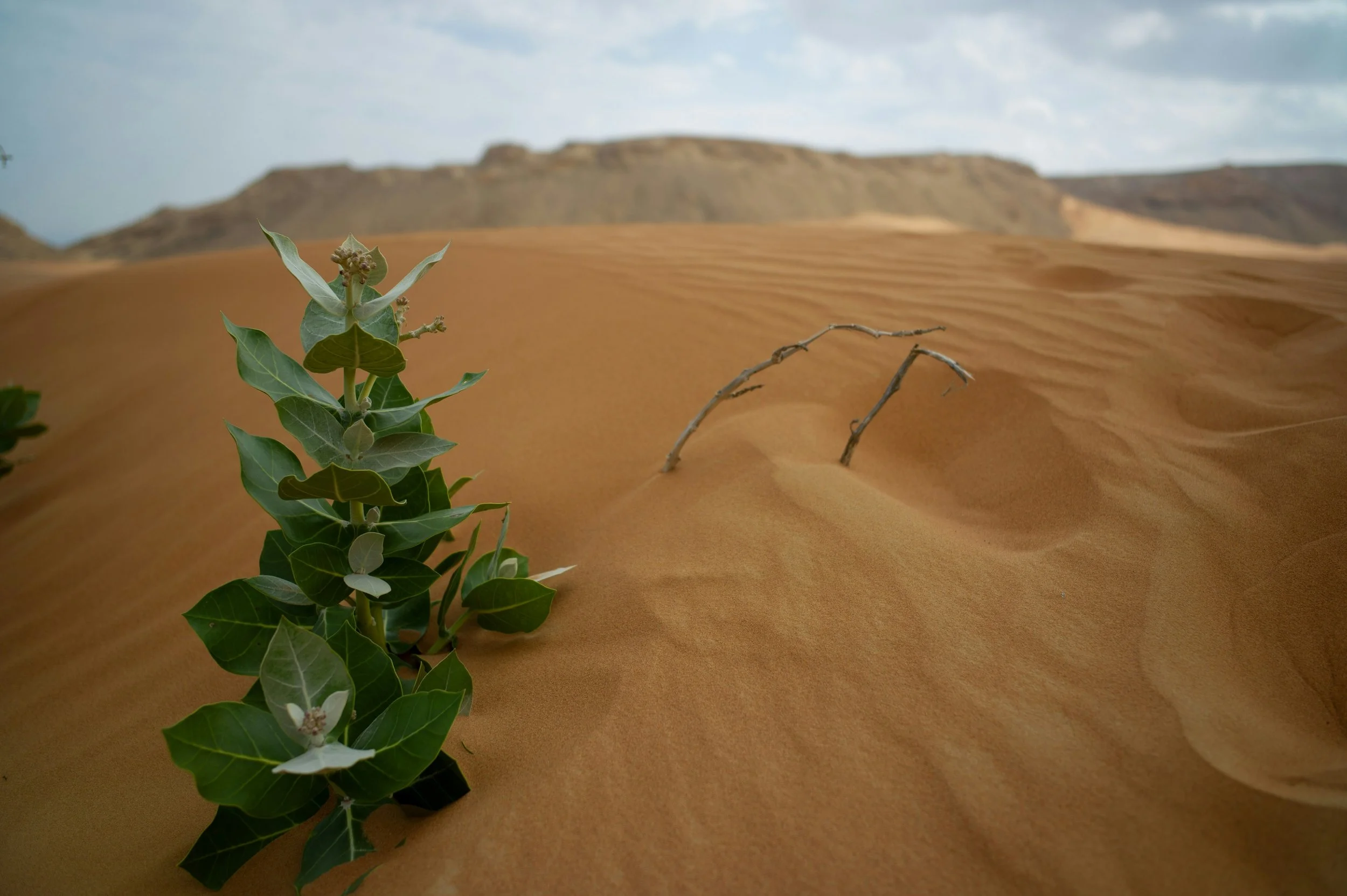
* Cover Image by Julius Yls Rus on Unsplash
Dear Ubwali Reader,
The stories and poems in this issue are revisions of work that these writers submitted to gain entry to the 2025 Ubwali Masterclass, and seeing their growth after just a week in that space was a marvel that I felt their instructors deserved to share in this joy.
So, this masterclass issue will be introduced by two of their instructors, Kasimma (prose) and Sihle Ntuli (poetry).
Kasimma
Nkụ di na mba, na-esiri mba nni: The firewood in the distance cooks the distance’s food. Ubwali (Masterclass) is like the firewood in distant North America, forging the delicacy called Creative Writing in distant Africa. When Mubanga invited me to be an instructor for the 2025 Ubwali Masterclass, although my knowledge of prose-writing can best be described as scintilla, I was all too happy to share a swab of it with the students. Imagine my euphoria then when Mubanga bid me be the prose editor for the Ubwali Masterclass Issue! Of course, I said, “Yes!”
Mmiri anaghị eri ọba: Water does not eat the gourd. Gourds travel the ocean. The bully waves or deleterious storm can display all they want—when they finish and go, the gourd remains afloat and in motion. These brilliant writers, like the gourd, stay learning and moving—despite slow or no internet, expensive books, few writers’ workshops, no MFAs—persevering in polishing their craft, in staying storytellers. Their tenacity is a testament to African stories’ insistence to stay and to thrive. The gourd is a simple-looking thing with ocean-sized employs. The prose stories in this issue, like the gourd, are simple but afire with potential, passion, and gold. My job, as editor, was simply to imbue their bodies with patterns of beauty that’d charm readers’ eyes and hold, that’d make readers’ voices bold with adulations. These stories laugh lustres of care, of compassion, of cheer, of basic human rights!
Jisie nu ike.
Kasimma
Sihle
I can still vividly recall the engaging ‘Humility and Ars Poetica’ workshop that we had with the writers whose work is present in this edition. I often reflect on how I wish there were workshops like this masterclass series when I was starting out. The session itself was a balance between stimulating discussion and great light-hearted fun, the two hours we had together went by very quickly. My curiosity about how these poets express themselves on the page led me to accept the invitation to guest-edit this exciting edition. The poets have outdone themselves, each has produced exceptional work that I am so proud to introduce.
Starting with Hadijjah Sebunya’s “Along, Long Roads”, a layered piece that miraculously unravels towards a deep sense of self-awareness. The lyric component of the verse makes it stand out; it is unique, with a great sound to the ear when read aloud. In the poignant elegy “I Know my Children” by Richard Phiri, the speaker laments the spacefulness of rooms left vacant by the unexpected loss of a loved one. Natasha Nsemiwe’s meditative poem “The Torn Veil” draws parallels between selfhood and familial piety, reflecting on how perspective and memory are often shaped by the passing of time. In the realm of the spiritual, Natasha Devalia’s “Emptiness” weaves a delicate thread of what it means to be still long enough to receive. In “What I Know About This Body”, Emmanuel Yamba reveals the intimate fragments of a body that beautifully come together to make up the whole.
Sihle
We hope you enjoy this issue as much as we did bringing it to you.