

What I am able to do
Mubanga Kalimamukwento | Editor-in-Chief
Mfuno imodzi silowa zala ziwiri.
Two fingers cannot enter one nostril.
or
Do not try to do more than you are able to.
Chewa Proverb.
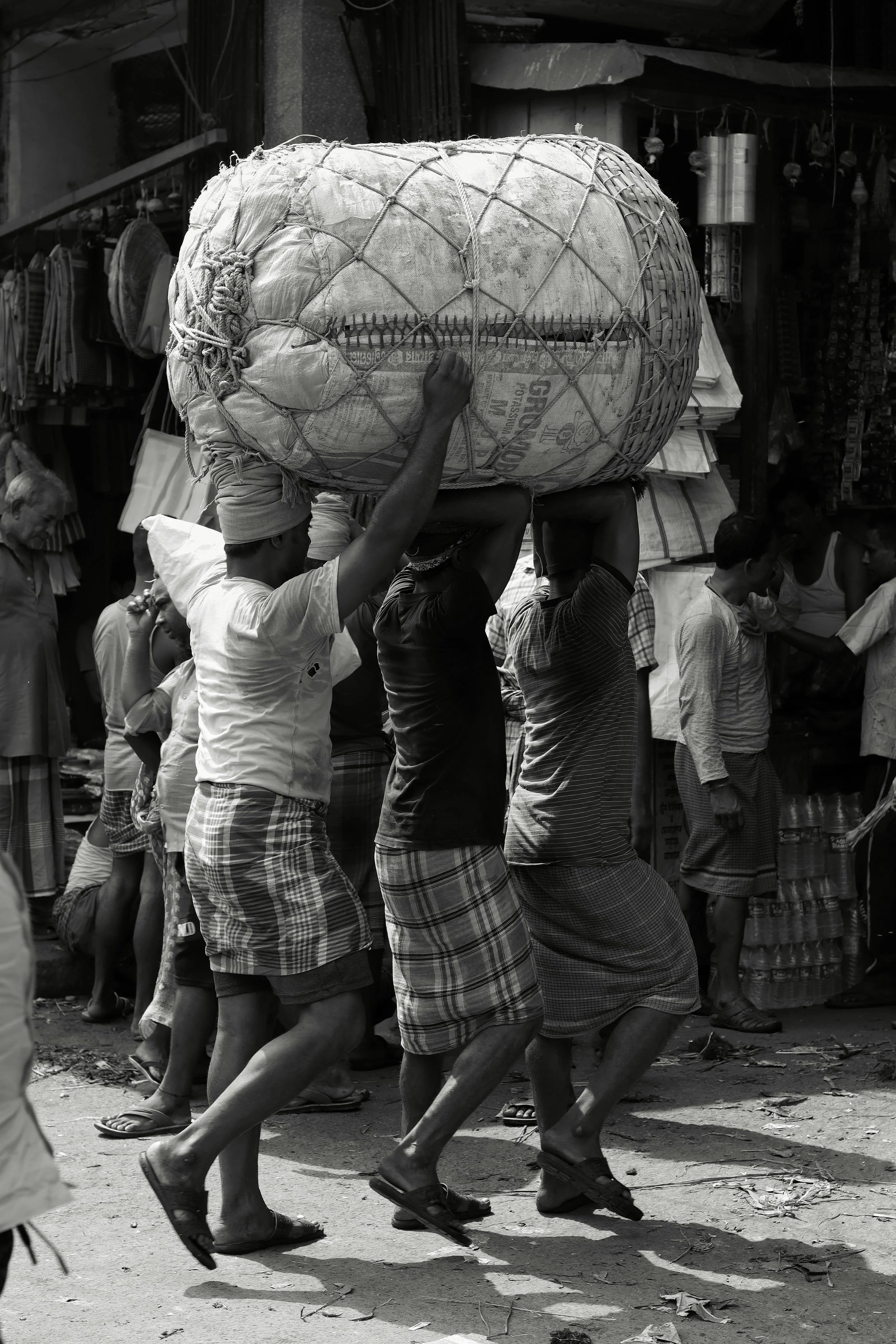
* Cover Image by Abhijit Mukherjee on Pexels
Dear Ubwali reader,
I became a mother young, or young to me now that I have thirteen years of hindsight. I was prepared in the ways the books, and antenatal visits, and Facebook groups and old wives’ tales had taught me to.
When I got to the hospital, closer with each step to the wailing, I found it strange, thinking, it can’t be that bad, can it? And on the guestimated scale of my stunned silence and the rising blood-curdling chorus, it really wasn’t that bad. Hear me out, tucked into those stories of mothers who came where promises of a physical agony unfathomable, if not unbearable, survived only because the alternative was death. So, while I transitioned into the responsibility of parenthood, I kept expecting the actual pain to get worse. So much so that, even right before the big moment, I was still waiting for something even more harrowing.
The second time, two years later, I went in carrying the wisdom of experience. I knew exactly how bad it could get and saw that as my ceiling.
Here is what stayed the same:
I walked into the ward just before midnight, texting my friends updates and excited that I wouldn’t have to go to work on Monday.
I did not scream.
Everything else was brand new. From the hospital, which was only a few years old. To the machine-hum silence that kept me company between contractions. I shot through the pain ceiling shortly after I arrived, and levitated above my body for hours until he was born.
Each time my second child cries, I freeze, my body connecting the sound to the pain of his entry into the world and how different it was from his older sibling. Mothering them has been similar in that they remind me at each stage that they are two different people requiring a different kind of mothering for every stage of life they encounter.
This is the sixth note I am writing for our regular issue, and unlike some of the prior ones, I am penning this just days before publication. Somewhere in my mind, I believed that it would get easier, not just writing this but also the motions of running a magazine, delivering issues consistently, but each issue reminds me that it is different from the one that preceded it, and that its needs are as specific.
Of the Africa Day issues we have published so far, this one is the biggest. It features 14 stories, for the first time including one from Uganda; 5 essays; 15 poets, including, for the first time, two Namibian poets; and two visual artists. Usually, by the time I compile these numbers, the backend of the issue is set and waiting for the unveiling. Some parts are almost like handwriting now; my hand knows exactly how to maintain the symmetry of Ubwali’s hand. This time, I struggled with something that should have come as second nature, specifically with two pieces that are visually different from previous work. After several frustrating and unsuccessful attempts at formatting and, dare I say, coding, we arrived at something both the writers and editors could be proud of. Through it, I kept revisiting the advice of editorial mentors who emphasised the need to create a platform that can exist and thrive without my contribution. As our team continues to grow in number and knowledge, as we all navigate the impact of Generative AI on the creative ecosystems we are part of, and as we remain committed to our mission to honour the work we give home to, I remind myself to rely on the capable minds around me.
In the past, I wondered why, around the publication date of an issue, my otherwise accessible editor peers often went into a kind of hibernation, impossible to pin down for a call or message, to the point of seeming elusive. I understand now, of course, the way I eventually understood the screams. Like that second mothering, with each issue, I keep thinking, “Wait, shouldn’t this be easier by now?”
Here is what has stayed the same:
I am once again overwhelmingly grateful for the support of the people who keep Ubwali Literary Magazine alive.
Everything else is shifting in new, beautiful ways. Vuma, Poetry Editor, has been an incredible support for our first-time poets, staying with them editorially from first submission to final letter. She is transitioning out of her role and has left a solid scaffolding for the incoming Poetry Editor to lean on. I am grateful that she showed up for Ubwali. Our copyeditor has had health challenges that require her to pull back from the demands of this work. Akal has been decisive in his interviewing decisions, and I remain in awe of his boundless curiosity and growth. Fiske, as always, is balancing multiple editorial and writing jobs, but she stayed on top of her section and other sections as needed. In Mali, we have an editor as well as a mentor. Through her questions about our publishing decisions, she reminds us of our responsibility to Zambian writers and visual artists. Namukolo, as always, keeps us beautiful–you can see with this issue’s cover, with each selection, she continues to outdo herself. Chii taught me a lot about poetry, and about being a poem in this issue, with every note they made on the pieces accepted and declined, but especially in how they have managed the valleys and peaks in their own writing life this year. Kudakwashe keeps our social media pages alive, keeping the lines of communication open with those who meet us there. I am also excited to welcome C.I. Atumah as prose reader and Anna Zgambo as Poetry Editor. With this capable group, I am learning and have been given the privilege of doing only what I can.
Hopefully, I will look back on this thirteen years in the future with a similar fondness and more wisdom.
Enjoy our sixth serving of Ubwali!